
In an era when average new vehicle transaction prices (ATPs) seem to soar with each passing month, affordability is an increasingly important priority for consumers. Some automakers have addressed the void by adding (or reintroducing) base trims, while others have introduced new entry-level models to their lineups.
The sad reality is that true cheap cars, pickup trucks, and things labeled “crossovers” for marketing purposes are still relatively rare to come by. When zooming in on finding products that cater to enthusiasts like you, reader, that are affordable, that niche shrinks even smaller. Thankfully, there are a few brands still committed to making fun attainable, one being Subaru. The Pleades lineup leans heavily toward crossover SUVs of all flavors and a flock of rebadged Toyota EVs, but two gems exist for those in search of a true, coveted driver’s machine: the BRZ and WRX.
Both can be had for well under $40,000 ($35,860 for the BRZ, $32,495 for the WRX), offer three pedals to row your own gears, sit atop a nimble, lovely chassis that’s quick to respond, and can carry a surprisingly generous amount of cargo or gear. I’ve come to learn over my years, in testing various examples of both, that they’re so easy to live with and undeniably playful. Grins aplenty.
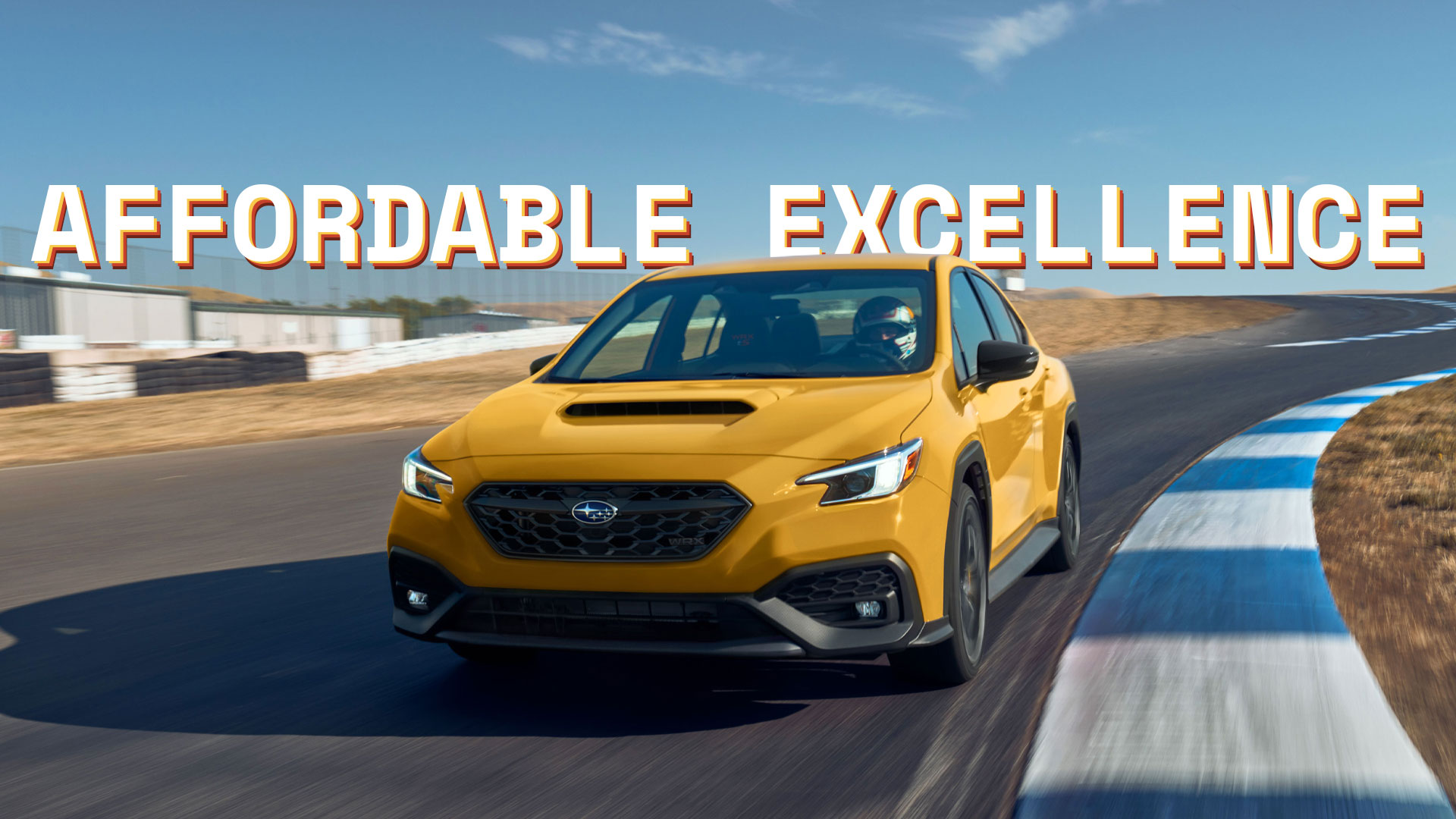
The inaugural Hooniversal Opinion for this rebranded website focuses on the WRX. Three out of the five trims for the 2026 WRX carry MSRPs (sans destination) under $40k. Many members of the Hooniverse staff have been behind the wheel of it recently, and we can’t ignore how its year-to-date and monthly sales are essentially soaring (55% YTD, 137% MTD) as more shoppers appear to be discovering how excellent an all-around vehicle this sport sedan is.
Let us ramble.
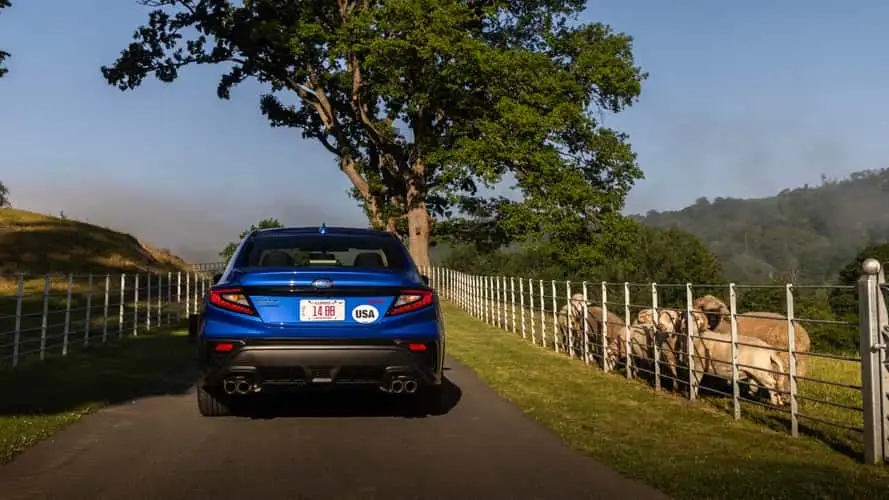
Jeff Glucker: I drove the base-model WRX through the tight country roads of Wales and parts of England. I drove it to Oulton Park, flogged a few examples for a handful of laps, and continued on my way. The car rewarded me with the exact sort of driving experience that most do not get in an entry-level enthusiast machine.
You can track the car as-is, right out of the box. The only thing I’d recommend you upgrade are tires, pads, and brake fluid. That’s stuff you’d want to change anyway. As for normal, daily driver duty, the car is great. Subaru’s manual gearbox is a simple affair; there’s enough low-end torque from the engine to make traffic tolerable, and you can take the longer, curvy road on the drive home.
And you can do all of that in a vehicle that sits a few ticks over $30,000. Sure, that sounds like a lot of money to most of us, but it’s well below what the average person pays. You’re getting a tremendous amount of car that can be used in all four seasons for what, today, isn’t a lot of car-buying money.
Read my full review here: https://www.motor1.com/reviews/801798/2026-subaru-wrx-first-drive/
Robby DeGraff: Like Jeff, I recently spent a week with a base WRX, and while I wasn’t able to bag a few track laps, I took to several of my go-to roads for a bit more athletic driving. Early fall temperatures let the turbocharged boxer healthily spool its way up while its six-speed gearbox felt old-school but in a delightful way, with chunky shifts and a forgiving clutch. The car loves to be thrown into and out of corners, and when you need to operate the WRX for, say, everyday runabouts or errands, it’s just as fun. It’s a hoot, regardless of speed or conditions. Recall, too, folks, the WRX is one of the few sports cars with a proper, permanent all-wheel-drive footprint that uses a real, connected driveshaft between the two axles.
The base spec I tested was sparse on options expectedly, but I found even the base bucket seats (no Recaros here), to be relatively comfortable for my lanky 6’2″ frame. While I yearn for a WRX hatchback, the sedan is still practical; plopping the rear seats down provides a good amount of cargo space once you navigate the rather awkward trapezoidal trunk opening. The center infotainment screen running Subaru’s STARLINK interface is a headache to use, but at $34,085 (with destination), I still can’t wrap my head around how killer of a deal this thing is. The WRX is really a gem, and I’m glad more people are lining up to buy one.
Ross Ballot: I’ve always had a soft spot for Subarus. I learned to drive stick in one, spent countless hours around the community in my teens and early 20s, and even bought a 2017 WRX Limited new off the dealer lot when I had to consolidate my Challenger-VehiCROSS duo down to one vehicle. There’s an unfaltering honesty about the brand, for better and worse, and its heritage manifests most in the distilled-down-to-basics 2026 WRX Base.
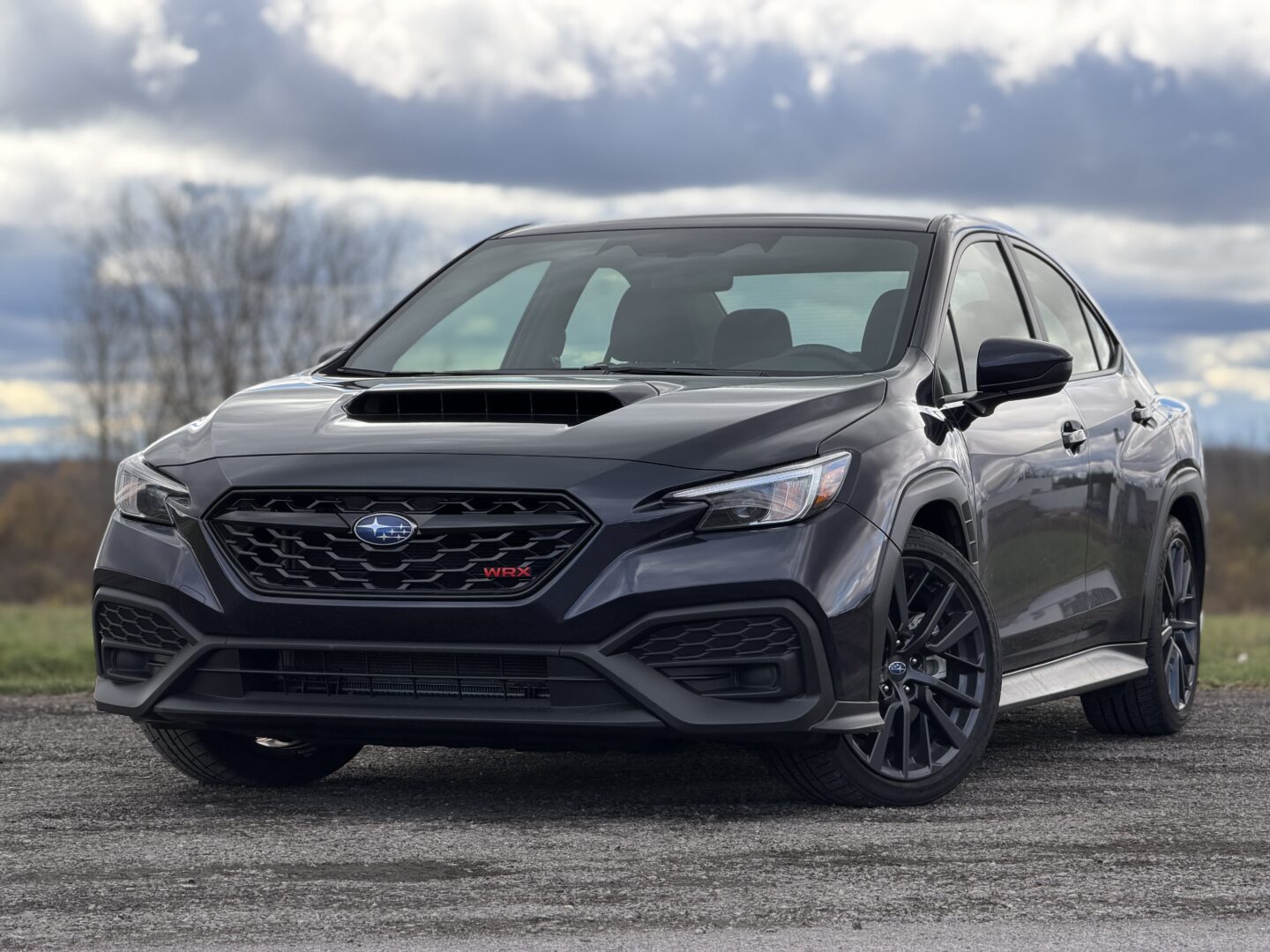
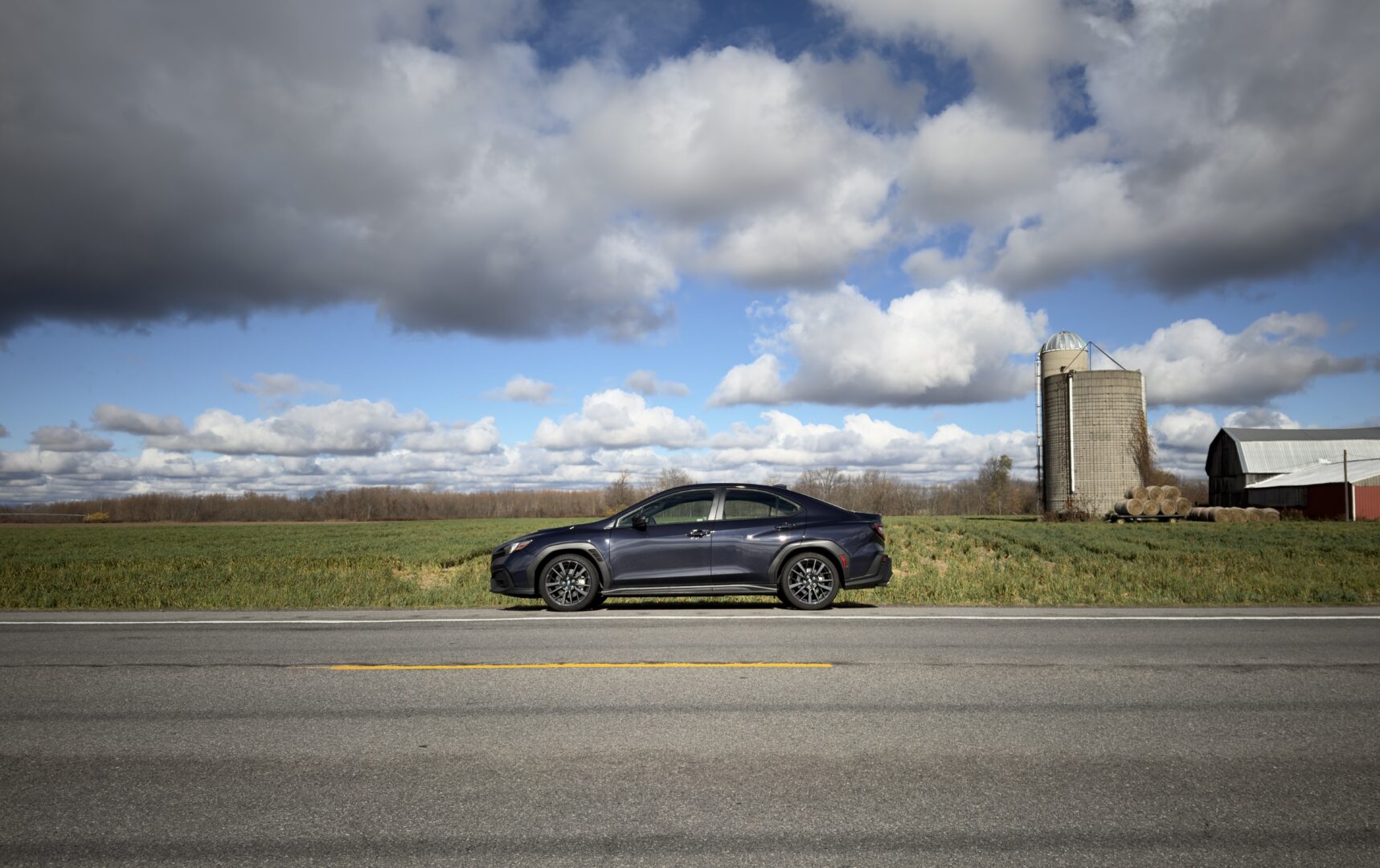
Over the last few days, I put close to 850 miles on a Galaxy Purple Pearl example, trekking through the mountains, highways, farms, traffic, and middle-of-nowheres of upstate and western New York. The WRX was a fantastic companion, never skipping a beat (mechanically, at least; the antiquated infotainment had a few hissy fits with CarPlay connectivity, and its lethargic, slow-to-respond manner, plus an oasis of screen sans hard buttons, never became less frustrating over my time with the car). Adjustable lumbar support would have been nice, but aside from that, I had no qualms about the comfort.
Through nonstop torrential downpours and even monsoon-like conditions, with temperatures dropping to 37°F, the summer-tire-wearing Subaru felt like it couldn’t put a foot wrong, even when I tried my hardest to make it slip. Power is plenty even for long highway cruises, and passing power is plentiful even without downshifting from 6th gear. The car sits happily at 2,500 RPM at 70 MPH, and it could undoubtedly use a little more oomph around town, but what it really needs even more is a higher redline. The car cuts you off at 6,100 RPM, which is pretty short after it really starts picking up steam: Peak power (271 hp) comes at 5,600 RPM, and though peak torque (258 lb-ft) is quoted as being there from 2,000 to 5,200 RPM, an extra 1k on top would make for a much more visceral, exciting driving experience.
Now the crux of why we’re discussing the WRX Base: The price. At $32,495, the WRX’s MSRP is effectively bargain-basement, fire-sale pricing in today’s automotive landscape. Even the base GTI starts at $34,590, and other competitors —Elantra N, GR Corolla, Civic Type R —all cost thousands more. Huge props to Subaru for bringing the price of the WRX down, thus allowing for a more accessible entry point for enthusiasts —casual and die-hard alike.
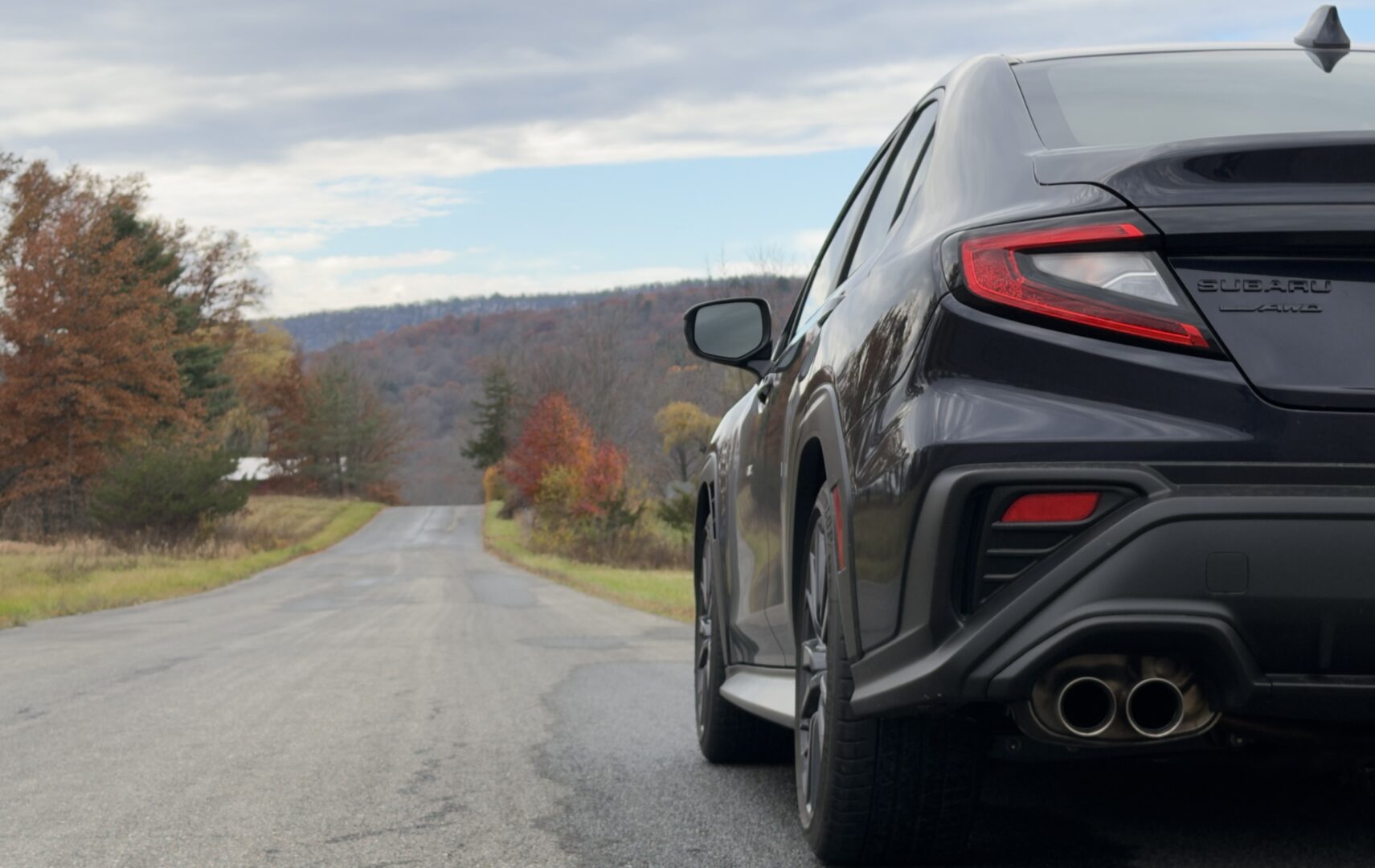
That said, I don’t agree with the “Must-Buy” title for this post. For just $1,500 more, you can get the WRX Premium. It adds some niceties like LED fog lights and nicer interior trim, but, critically —this is a WRX, after all —it gets heated seats and heated side mirrors. Chances are better than not that if you buy a WRX, you’re in a climate where these things matter. It’s a small price to pay to really make the WRX a Subaru for all seasons.